
DinnerLunchDairy-free
Oyakodon (Japanese chicken and egg rice bowl)
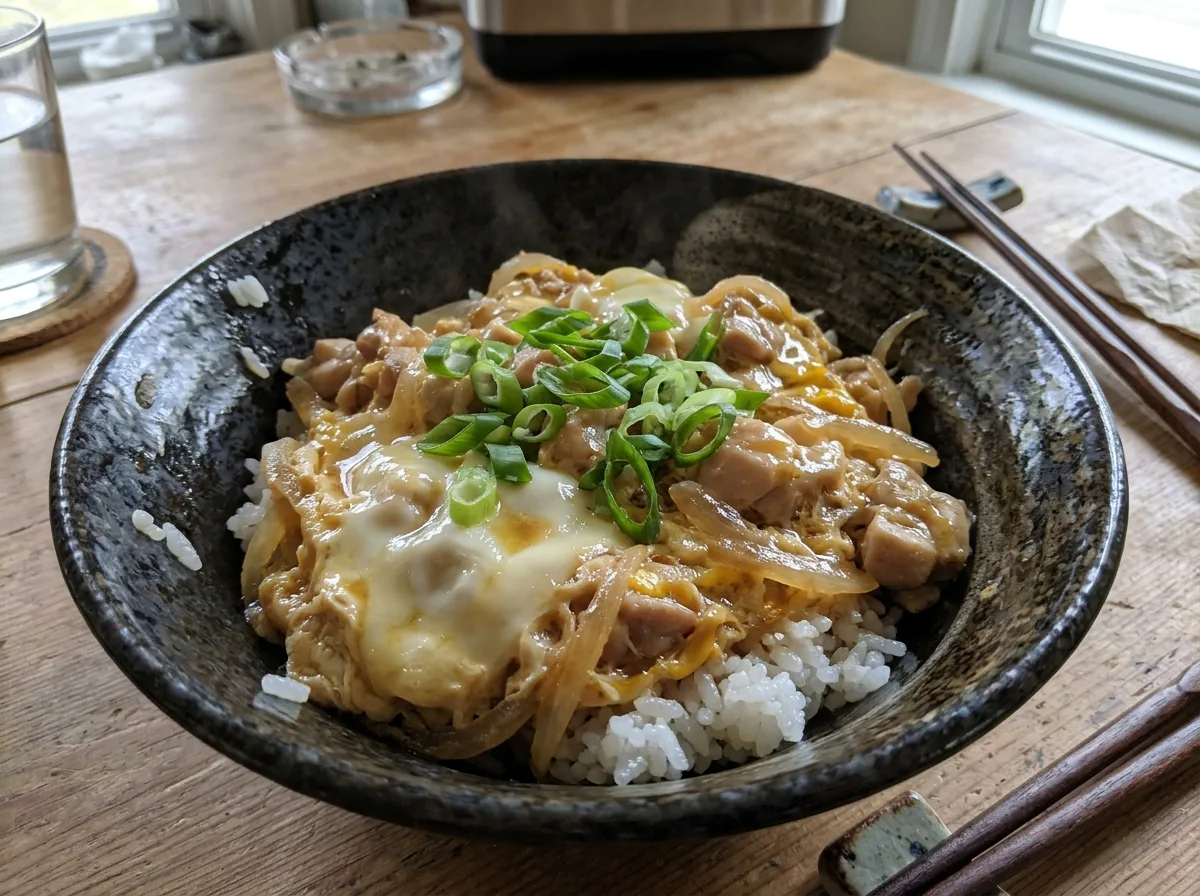
Oyakodon is a comforting Japanese rice bowl featuring tender chicken, onions, and soft-set eggs. It takes under 20 minutes from start to finish. Simmering everything in a sweet and savory dashi broth creates deep flavor with minimal prep, while cooking in a single pan makes cleanup a breeze.
By The Kept Kitchen team · Updated 21 November 2026
- Prep
- 5 min
- Cook
- 10 min
- Total
- 15 min
- Serves
- 2
Why you’ll like it
- Cooks in a single pan in under 20 minutes
- Sweet and savory broth flavors every bite
- Requires minimal prep and basic ingredients
Ingredients
Broth
Bowl
Equipment
- Medium skillet with lid
- Small bowl
Method
- 1
Combine the dashi stock, soy sauce, mirin, and sugar in a medium skillet. Place over medium heat and stir gently until the sugar dissolves and the liquid comes to a simmer.
Tip: Use a skillet with a tight-fitting lid, as you will need to cover it shortly.
- 2
Add the thinly sliced onion to the simmering broth in an even layer. Cook uncovered until the onion begins to soften slightly, about 2 minutes.
- 3
Arrange the chicken pieces evenly over the onions. Cover the skillet, reduce the heat to medium-low, and simmer until the chicken is completely cooked through and registers 165°F (74°C) in the thickest pieces, 5 to 6 minutes.
Tip: Do not stir the pan. You want the chicken to poach gently in place.
- 4
Drizzle exactly half of the beaten eggs evenly over the simmering chicken and onions. Cover the pan again and cook until the bottom layer of egg just sets, about 1 minute.
Tip: Adding the eggs in two stages creates a lovely, layered texture.
- 5
Pour the remaining beaten egg into the pan. Cover immediately, turn off the heat completely, and let the skillet sit on the warm burner until the top layer of egg sets and the dish reaches 165°F (74°C), 1 to 2 minutes.
- 6
Divide the warm cooked rice between two serving bowls. Gently slide the cooked chicken and egg mixture out of the skillet, keeping its shape as much as possible, directly over the rice. Garnish with the sliced green onions and serve immediately.
Nutrition per serving
- Calories
- 969
- Protein
- 47 g
- Carbs
- 159 g
- Fat
- 13 g
An estimate from USDA FoodData Central for the ingredients as written. Check our nutrition calculator to work out your own recipes.
Notes
- If you don't have dashi stock, you can substitute chicken broth with an extra pinch of sugar.
- For a traditional touch, sprinkle the finished dish with shichimi togarashi (Japanese seven-spice blend) before serving.
- Make sure your rice is already cooked and piping hot before you begin cooking the chicken, as the topping comes together very fast.
Substitutions
- boneless skinless chicken thighs: boneless skinless chicken breasts (1:1). Cook slightly less time so the leaner meat doesn't dry out.
- dashi stock: chicken broth (1:1). Add a small pinch of sugar to mimic the sweetness of dashi.
- mirin: dry sherry or white wine (1:1). Add an extra 1/2 teaspoon of sugar to offset the lack of sweetness.
Storing and reheating
- Store leftover chicken and egg topping in an airtight container in the fridge for up to 3 days.
- Store the rice in a separate container.
- Reheat the topping gently in a microwave or a small skillet on the stove until it reaches 165°F (74°C).
- Freezing is not recommended, as the cooked eggs will become rubbery when thawed.
Questions people ask
What does oyakodon mean?
Oyakodon translates to 'parent and child bowl' in Japanese. It is a poetic reference to the two main ingredients: the chicken (parent) and the egg (child), served together over rice.
Can I use chicken breast instead of thighs?
Yes. While chicken thighs are traditional because they stay tender during simmering, chicken breast works perfectly well. Just watch the cooking time closely so the lean meat doesn't dry out.
Do I need a special oyakodon pan?
No. Traditional Japanese kitchens use a specialized single-serving oyakodon pan with a vertical handle, but any 8-inch or 10-inch skillet with a tight-fitting lid works just as well.
You might also like
 30 min
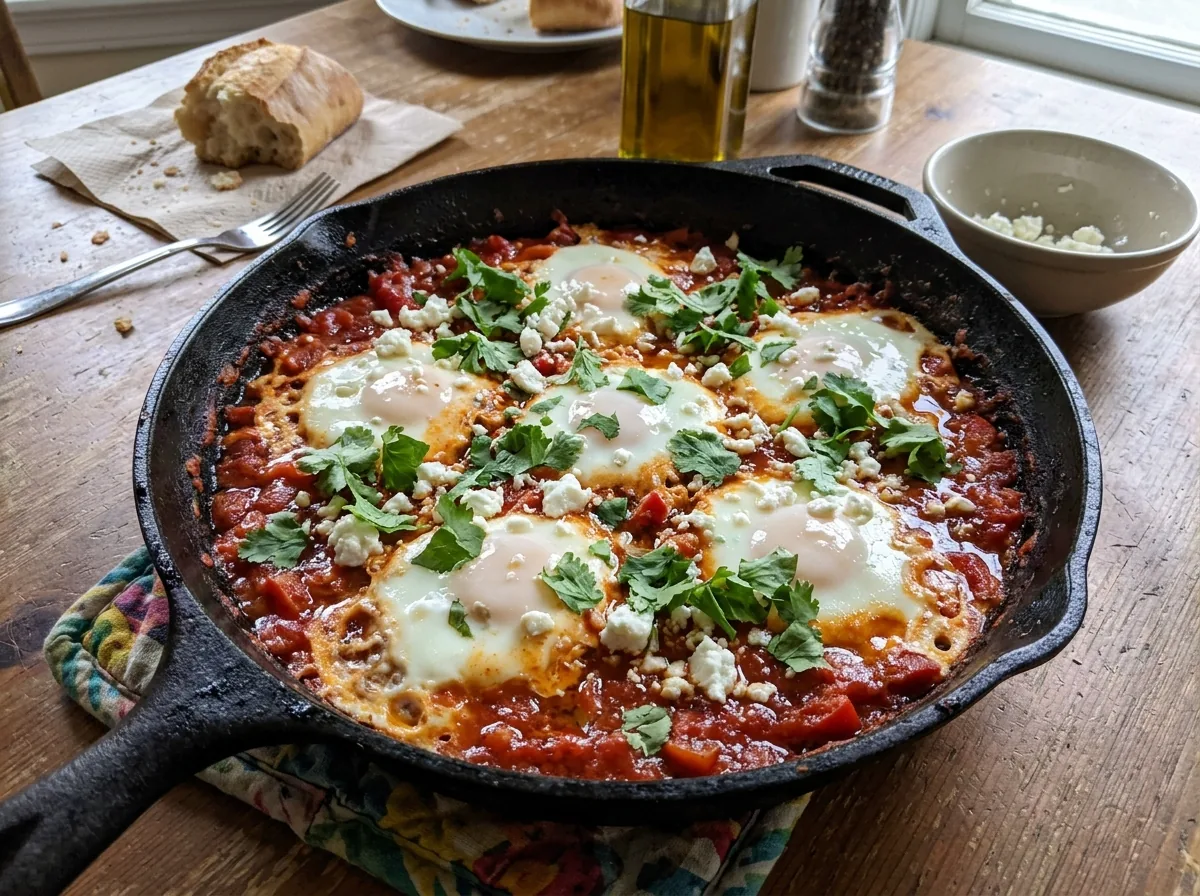
Shakshuka
This gently spiced Middle Eastern egg and tomato dish comes together in a single skillet in 30 minutes. Built on everyday pantry staples, it is perfect for a fast, healthy breakfast or a simple weeknight dinner.
EasyVegetarianGluten-free
 45 min
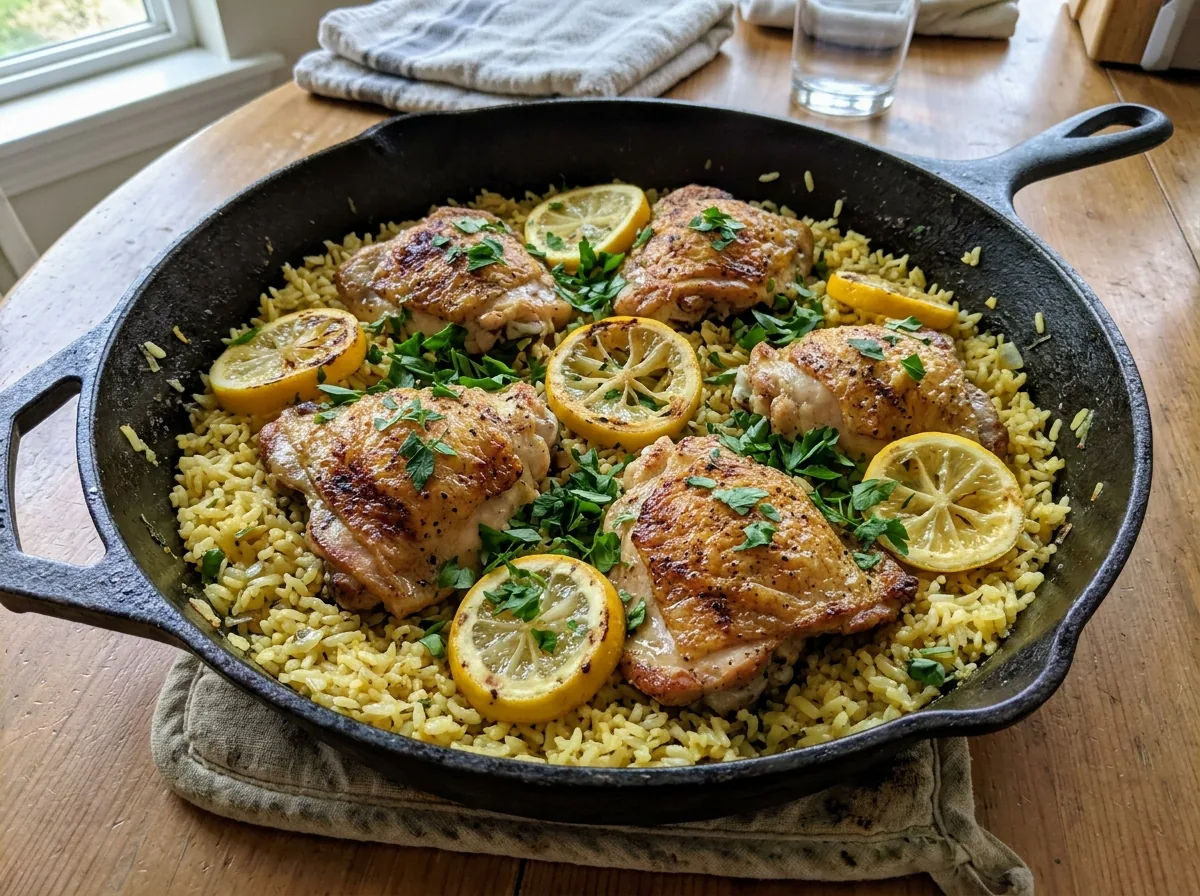
One-pan lemon chicken and rice
This hearty dinner cooks bone-in chicken thighs and white rice in a single skillet. It takes about 45 minutes from start to finish. The rice absorbs the rich, savory pan juices and bright citrus flavor while cooking, keeping weeknight cleanup to a bare minimum.
EasyGluten-freeDairy-free
 30 min
Coconut curry chicken
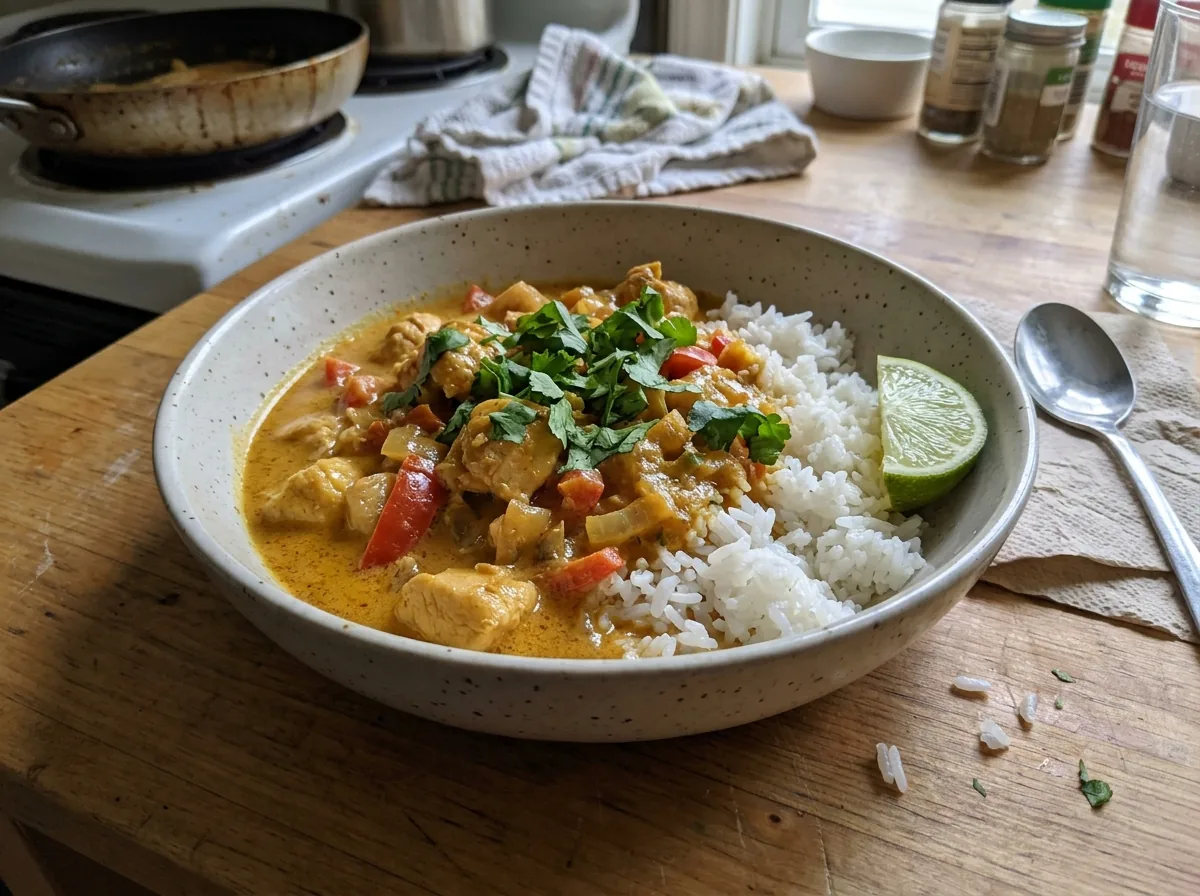
This one-pan coconut curry chicken brings together tender pieces of poultry in a rich, spiced sauce. Using everyday supermarket curry paste and canned coconut milk, it delivers a deeply comforting dinner in just 30 minutes. Serve it over warm rice to soak up the creamy broth.
EasyGluten-freeDairy-free
Cook this from your phone
Save this recipe to Kept Kitchen, scale it, add it to your week and get the ingredients on one grocery list.
- Saves from Instagram, TikTok, Facebook, Pinterest, YouTube and websites
- Plans the week from recipes you’ve saved
- Builds the grocery list, sorted by aisle
Scan with your iPhone camera to get the app
For iPhone. Try it free for 3 days, then $39.99 a year, or choose $9.99 a month. We’ll remind you before your trial ends.